Do You Know Types and Characteristics of SMT Feeder for the Pick and Place Machine?
author: Nancy
2024-04-27
The Current Landscape:
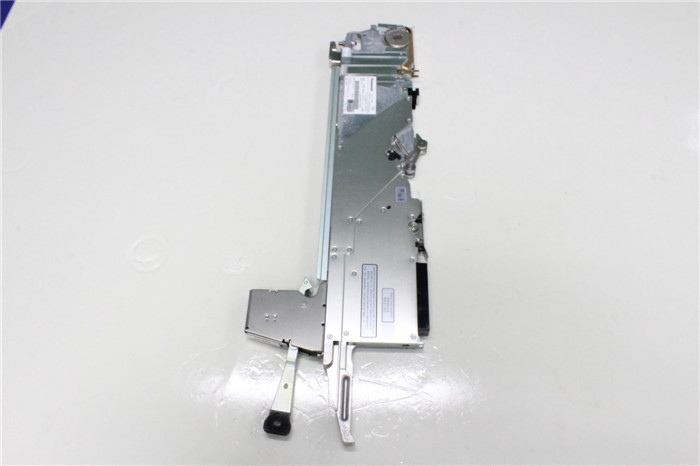
Traditional SMT pick and place machine feeders have long been the workhorses of electronics manufacturing. These feeders come in various types, each with its own set of characteristics and applications. Among the most common types are:
1. Vibratory Bowl Feeders:
Vibratory bowl feeders are perhaps the most recognizable type of SMT feeder. They consist of a bowl-shaped container with a spiral track inside. As the feeder vibrates, components are fed along the track and oriented for pickup by the machine's placement head.
These feeders are handling small to medium-sized components, such as resistors, capacitors, and discrete semiconductors.
They offer high-speed feeding and are relatively simple to operate, making them a choice for high-volume production lines.
2. Tape Feeders:
Tape feeders are designed to handle components packaged in tape and reel format. These feeders feature a mechanism that advances the tape, presenting components to the pick and place machine for placement onto the circuit board.
They are commonly used for integrated circuits (ICs) and other small, surface-mount components packaged in tape format.
Tape feeders offer excellent component protection and precise positioning, making them suitable for high-precision applications.
3. Tray Feeders:
Tray feeders are used for larger components or irregularly shaped parts that cannot be accommodated by tape or bowl feeders. These feeders consist of trays with compartments to individual components.
They are highly versatile and can handle a wide range of component sizes and shapes, making them for low-volume, high-mix production environments.
Tray feeders offer easy loading and unloading of components, facilitating quick changeovers between different projects.
4. Stick Feeders:
Stick feeders are designed for components packaged in stick or tube format. These feeders feature a mechanism that feeds components one at a time, similar to a magazine.
They are commonly used for larger components, such as connectors and LEDs, that cannot be accommodated by tape or bowl feeders.
Stick feeders offer precise component positioning and are suitable for high-speed assembly lines requiring consistent component delivery.
The above are types of pick and place machine feeder, I believe it can bring you some help in the work, the next Yangling Electronics will tell you about smt details, welcome to contact Nancy if you are interested in our products
Some information comes from the internet, if there is infringement, please contact us at 13580828702.
Do You Know the Composition and Working Principle of SMT Vibration Feeders?
SMT Yamaha Feeder in Electronics Manufacturing
Related Article
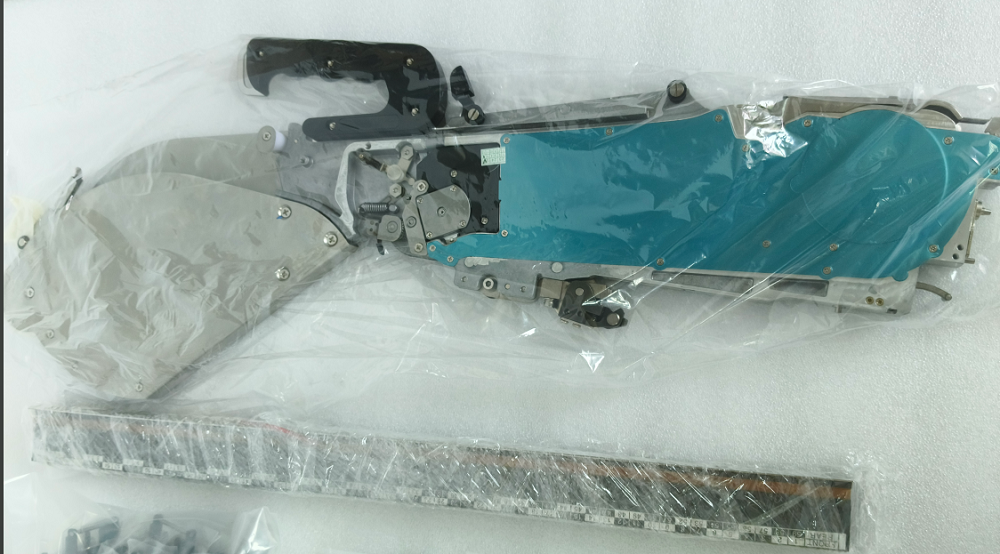
In this article, Yangling Electronics will describe the advantage and details of electric feeder
Pneumatic Feeder Changing to Electric Feeder Type in SMT Industry
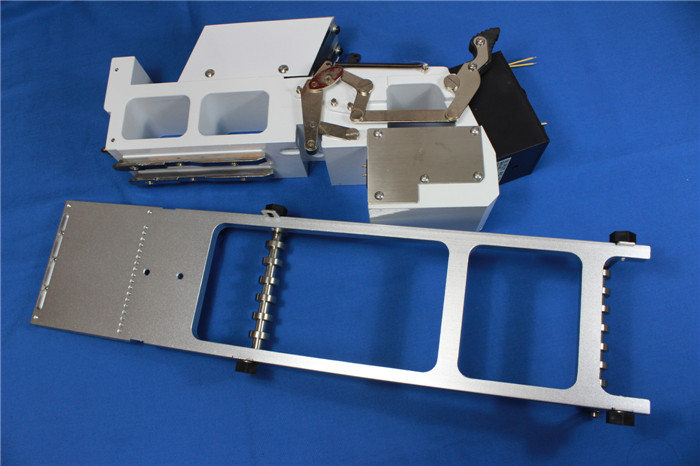
This part is mainly talk about SMT vibration feeders consist of several key components that work together to transport components effectively. These components include the feeder base, vibration motor, feed tray, control unit, and sensors-Yangling Electronic Trading
Do You Know the Composition and Working Principle of SMT Vibration Feeders?
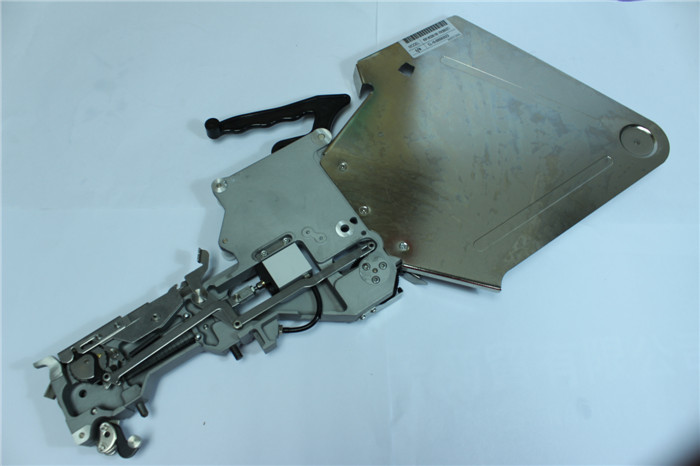
In a significant development for the electronics manufacturing industry, SMT Yamaha has introduced its latest innovation: the Yamaha Feeder YF-2000. This groundbreaking feeder promises to revolutionize the assembly process with its advanced features and exceptional performance. From high-speed operation to versatile compatibility, the YF-2000 sets a new benchmark for efficiency and reliability in component feeding technology. Now let Yangling Electronic introduce it to you.
SMT Yamaha Feeder in Electronics Manufacturing
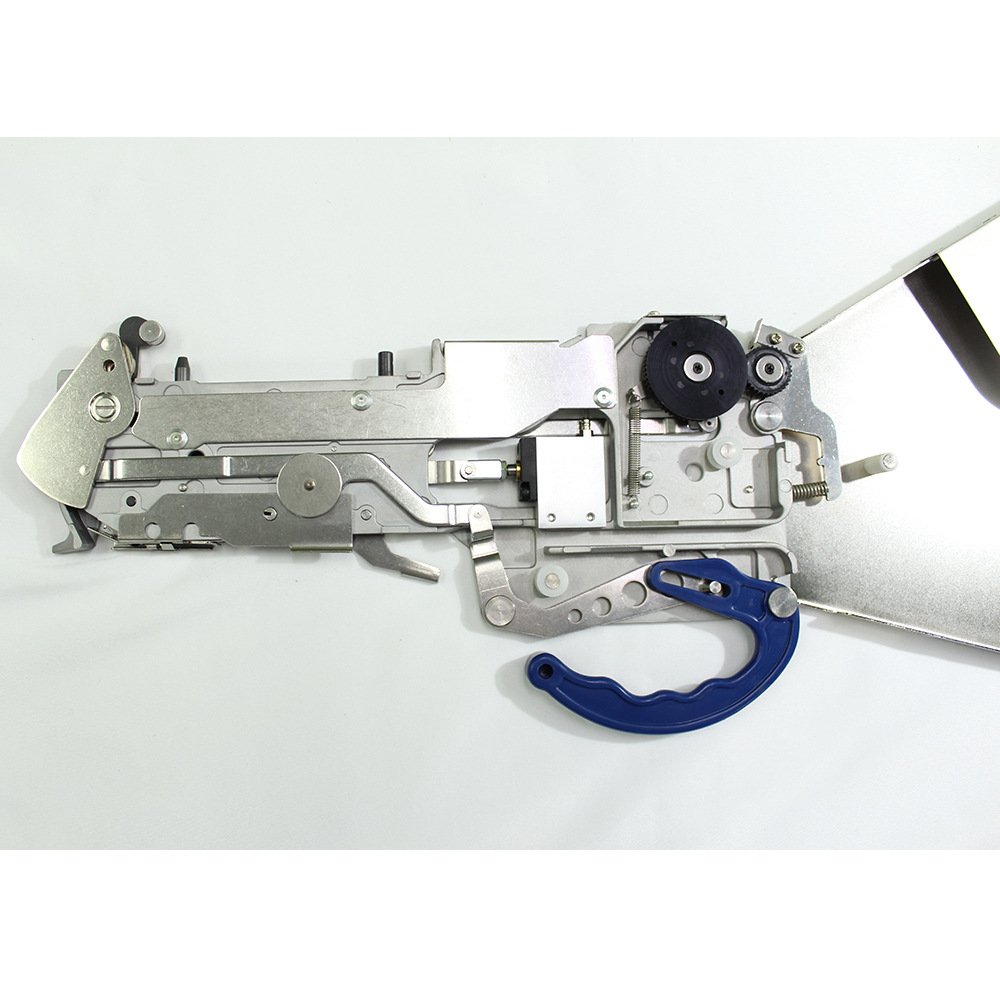
SMT mounter is an important equipment for SMT production. Feeder is an important part of sending the components to a fixed position, and then moving the components to the position specified by the placement machine nozzle. This shows the importance of Feeder in the work of the chip machine, then how should we properly operate in order to effectively ensure its long-term stability and reliability? The following is a detailed introduction by Yang Ling to the correct use of Feeder.
Use Method and Precautions of Feeder