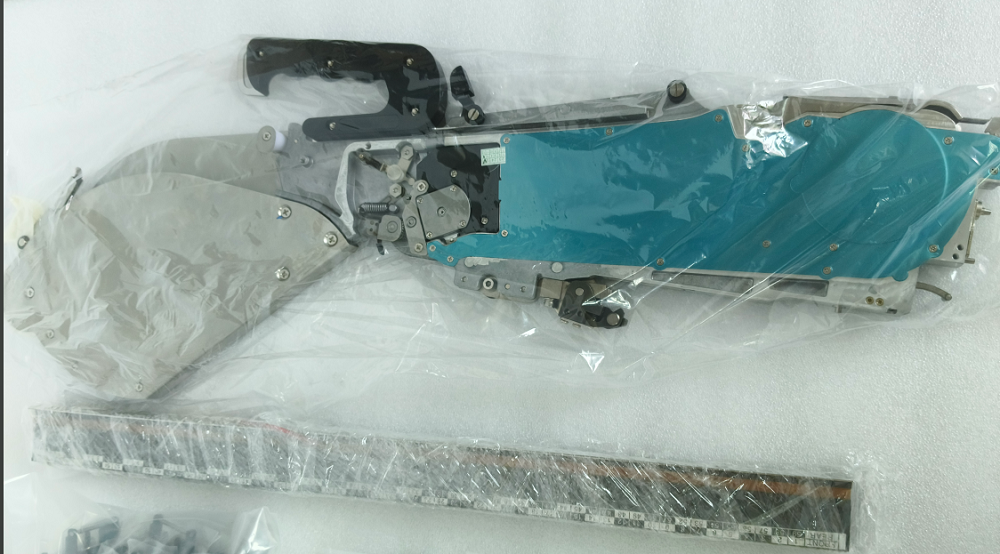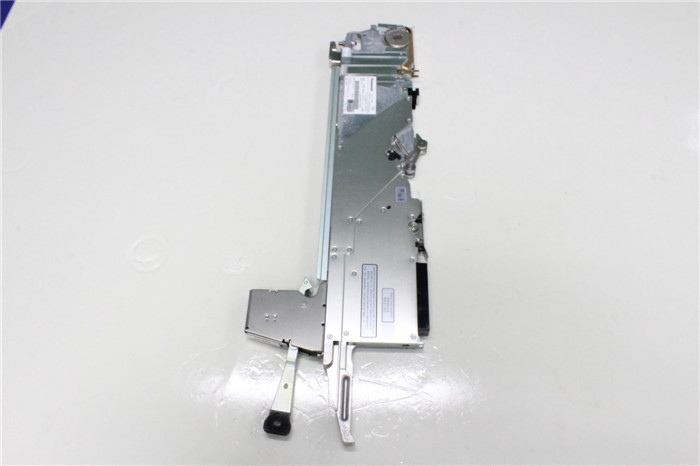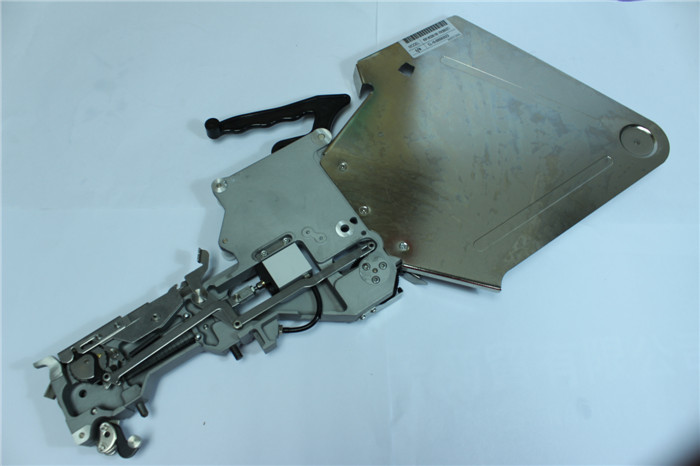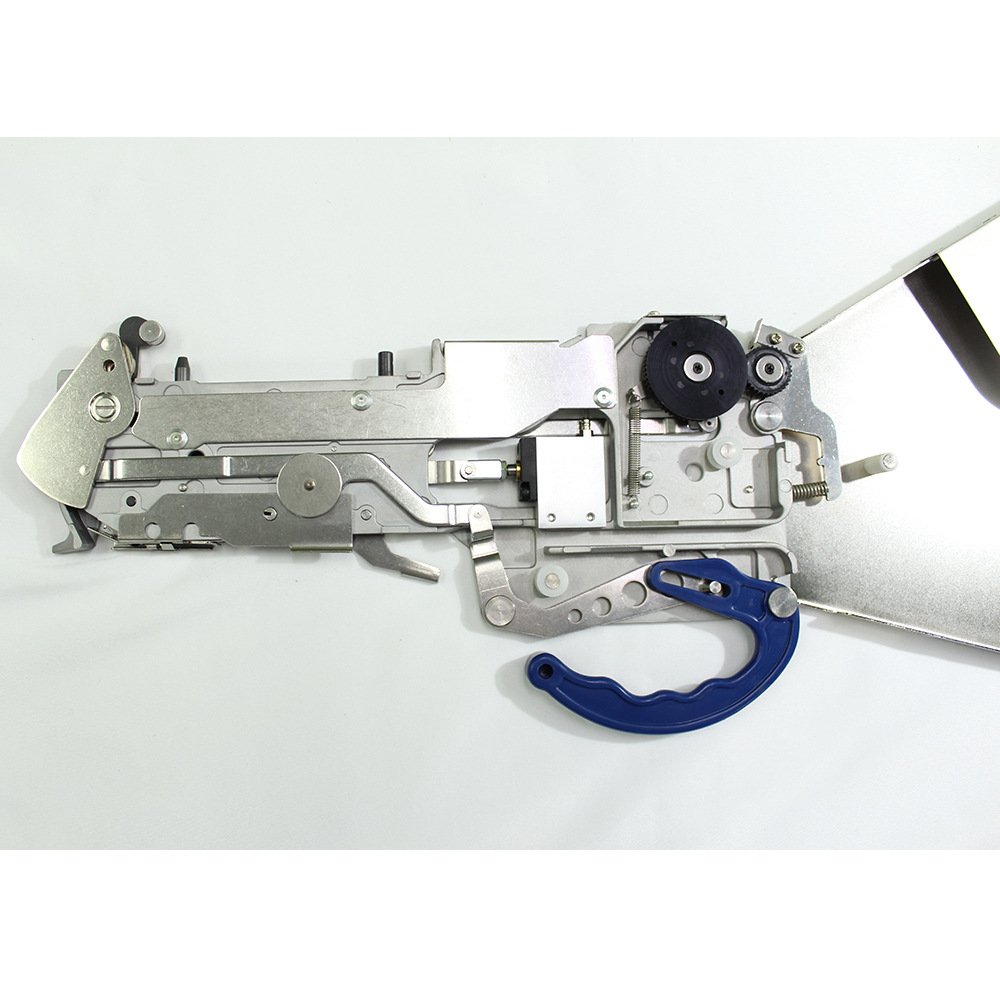
Do You Know the Composition and Working Principle of SMT Vibration Feeders?
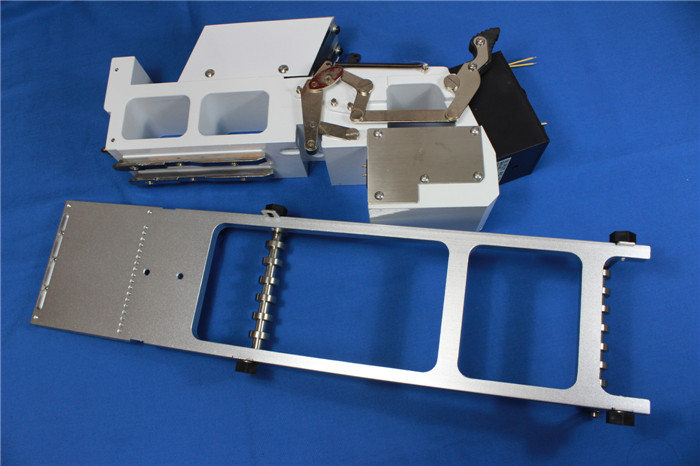
1. Feeder Base
The feeder base serves as the foundation of the vibration feeder. It is typically constructed from sturdy materials like aluminum or stainless steel to provide stability and durability. The base houses the vibration motor and other essential components, ensuring they are securely fixed in place.
2. Vibration Motor
At the heart of the SMT vibration feeder is the vibration motor. This motor is responsible for generating the vibratory motion that drives the feeder tray. It operates on the principle of electromagnetic induction, where an alternating current passes through coils to create a magnetic field. This magnetic field interacts with the feeder tray, causing it to vibrate at a specific frequency. The vibration motor is often adjustable, allowing operators to fine-tune the vibration intensity and frequency to suit different component sizes and types.
3. Feed Tray
The feed tray, also known as the vibratory bowl or pan, is where the components are placed. It is designed with a series of tracks and channels that guide the components towards the pick-up point. The shape and design of the feed tray are critical in ensuring that components are correctly oriented and separated as they move along the tray. Some feed trays are equipped with additional features like orientation guides and escapement mechanisms to further enhance the feeding process.
4. Control Unit
The control unit is the brain of the SMT vibration feeder. It regulates the operation of the vibration motor, adjusting parameters like vibration frequency and amplitude. Advanced control units often come with programmable settings, allowing operators to store and recall configurations for different types of components. The control unit ensures that the feeder operates consistently and accurately, reducing the risk of component misfeeds or jams.
5. Sensors
Sensors play a vital role in monitoring the performance of the SMT vibration feeder. These sensors can detect various conditions such as component presence, alignment, and feed rate. Information from the sensors is fed back to the control unit, enabling real-time adjustments to the feeder’s operation. This feedback loop is essential for maintaining high levels of precision and efficiency in the feeding process.
Operating Principle of SMT Vibration Feeders
The operating principle of SMT vibration feeders is based on the use of vibratory motion to move components along a feed tray.
The above are working principle of feeder, I believe it can bring you some help in the work, the next Yangling Electronics will tell you about smt details, welcome to contact Nancy if you are interested in our products
Some information comes from the internet, if there is infringement, please contact us at 13580828702.
Pneumatic Feeder Changing to Electric Feeder Type in SMT Industry
Do You Know Types and Characteristics of SMT Feeder for the Pick and Place Machine?
Related Article