Do You Know Types of SMT Belts for Pick and Place Machine ?

Timing Belts
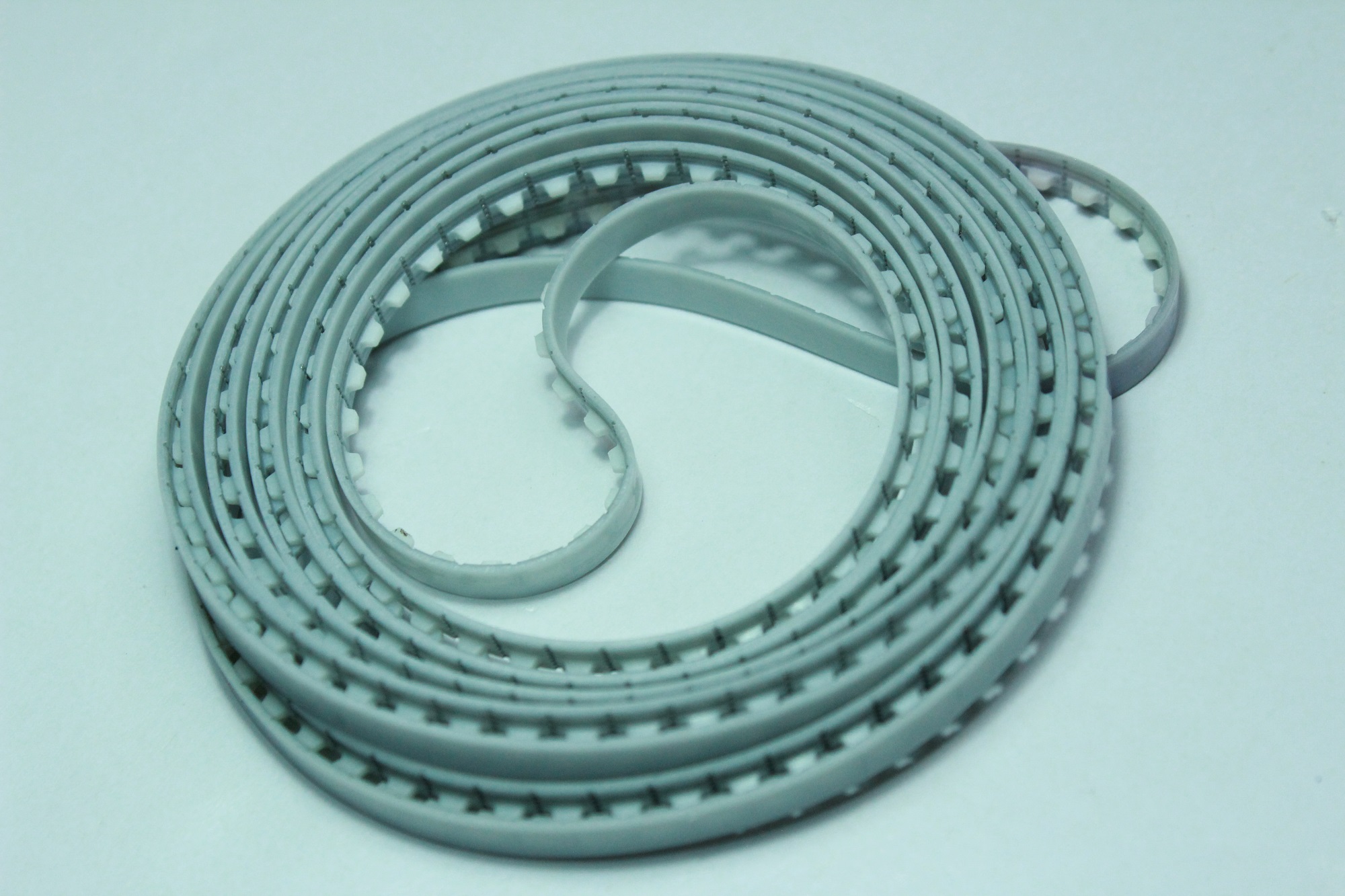
Timing belts are critical in SMT applications where precise movement and positioning are required. These belts feature teeth that engage with corresponding pulleys, ensuring synchronous movement. This precision is vital for processes like pick-and-place, where components must be accurately placed on PCBs.
Material: Typically made from polyurethane or neoprene with steel or Kevlar reinforcements.
Advantages: High accuracy, minimal slippage, and long lifespan.
Applications: Pick-and-place machines, conveyors requiring precise positioning.
Flat Belts
Flat belts are the most commonly used belts in SMT conveyors. They are known for their simplicity and versatility, suitable for transfering PCBs through various stages of the assembly process.
Material: Usually made from polyurethane or PVC.
Advantages: Simple design, easy to replace, and cost-effective.
Applications: General PCB transfer, inspection conveyors, soldering lines.
V-Belts
V-belts are less common in SMT applications but are used in specific scenarios where high power transmission is needed. These belts have a trapezoidal cross-section that fits into V-shaped pulleys.
Material: Typically made from rubber or polyurethane with embedded tensile fibers.
Advantages: High power transmission capability, good grip.
Applications: Heavy-duty conveyors, special machinery with high torque requirements.
Round Belts
Round belts, also known as O-ring belts, are used in applications requiring flexibility and easy installation. These belts are particularly useful in light-duty transfer and auxiliary functions within SMT systems.
Material: Made from polyurethane or rubber.
Advantages: Flexible, easy to install, and suitable for small pulleys.
Applications: Light-duty conveyors, feeders, auxiliary transfer systems.
Modular Belts
Modular belts are composed of interlocking plastic modules, providing high flexibility and adaptability. These belts are particularly useful in environments where frequent cleaning or maintenance is required.
Material: Made from various plastics, including polypropylene and acetal.
Advantages: Customizable, easy to clean, resistant to chemicals.
Applications: Cleaning stations, inspection systems, environments requiring frequent maintenance.
Mesh Belts
Mesh belts are used in applications where ventilation and drainage are essential. These belts are made from woven metal or plastic mesh, allowing air or liquids to pass through.
Material: Made from stainless steel or plastic.
Advantages: Excellent ventilation, suitable for drying or cooling processes.
Applications: Cooling conveyors, drying stations, environments requiring airflow.
In summary, it is the type of belts for SMT pick and place machine and I believe it can bring you some help in the work. the next Yangling Electronics will tell you about differences Between SMT Belts, welcome to contact Nancy if you are interested in our products.
Some information comes from the internet, if there is infringement, please contact us at 13580828702.
Differences Between SMT Belts for SMT Machinery Production Line
Do You Know How to Use SMT Splice Spliers and Pliers Carrier in SMT Production Line?
Related Article