The Types of PCB Cleaning Machines for Precision Electronics Manufacturing
In the world of electronics manufacturing, the demand for flawless and high-performing devices has made PCB (Printed Circuit Board) cleanliness a top priority. PCB cleaning machines are designed to eliminate contaminants such as flux, dust, oil, and residues that can impact the functionality and reliability of electronic components. With various types of PCB cleaning machines on the market, manufacturers have the flexibility to choose the best equipment based on their specific needs and production requirements. Below is an overview of the primary types of PCB cleaning machines and their distinctive advantages.
1.Ultrasonic PCB Cleaning Machines
Ultrasonic PCB cleaning machines are widely used in the electronics industry due to their precision and effectiveness. These machines operate by creating high-frequency sound waves in a cleaning solution, which generates microscopic bubbles. When these bubbles burst, they create small, powerful shock waves that effectively scrub contaminants off the PCB surface without causing any physical damage. Ultrasonic cleaning is especially beneficial for delicate or intricate boards where manual cleaning would be difficult or risky. This method is known for its ability to reach small crevices and thoroughly clean even the tiniest parts, making it ideal for high-density boards.
2.Aqueous PCB Cleaning Machines
Aqueous PCB cleaning machines use water-based solutions, often combined with mild detergents, to remove contaminants from PCBs. These machines are designed to be environmentally friendly as they avoid the use of harsh chemicals. Aqueous cleaning systems typically include multiple stages: cleaning, rinsing, and drying. In some cases, additional rinsing stages with deionized water are used to ensure that no residues are left on the boards. This type of machine is highly effective for removing water-soluble fluxes and residues from soldering processes. Aqueous cleaning systems are popular for high-volume production due to their cost efficiency and safety in handling.
3.Solvent-Based PCB Cleaning Machines
For boards that require more aggressive cleaning, solvent-based PCB cleaning machines provide an effective solution. These machines use specialized solvents to dissolve and remove tough contaminants that cannot be cleaned with water alone. Solvent-based machines are particularly suitable for removing high-residue materials such as rosin-based fluxes. While these machines are highly effective, their use requires proper ventilation and handling, as the solvents can be volatile. Many advanced solvent-based machines incorporate closed-loop systems to manage and recycle the solvents, making them safer and more environmentally responsible.
4.Semi-Automated and Fully Automated PCB Cleaning Machines
Depending on the scale of production and specific requirements, PCB cleaning machines come in both semi-automated and fully automated versions. Semi-automated machines require some level of manual intervention, which can be beneficial for smaller production runs or specialized cleaning needs. Fully automated machines, on the other hand, are designed for high-volume production and can handle the entire cleaning process with minimal human input. These systems are often equipped with programmable settings and advanced sensors, enabling consistent and precise cleaning across large quantities of boards.
Conclusion
With a variety of PCB cleaning machines available, manufacturers have access to solutions that cater to different cleaning requirements and production scales. Ultrasonic, aqueous, and solvent-based machines each bring unique benefits, allowing manufacturers to achieve thorough cleanliness and maintain product reliability. As the electronics industry continues to evolve, the importance of PCB cleanliness only grows, making these machines an essential asset for maintaining quality in precision manufacturing.
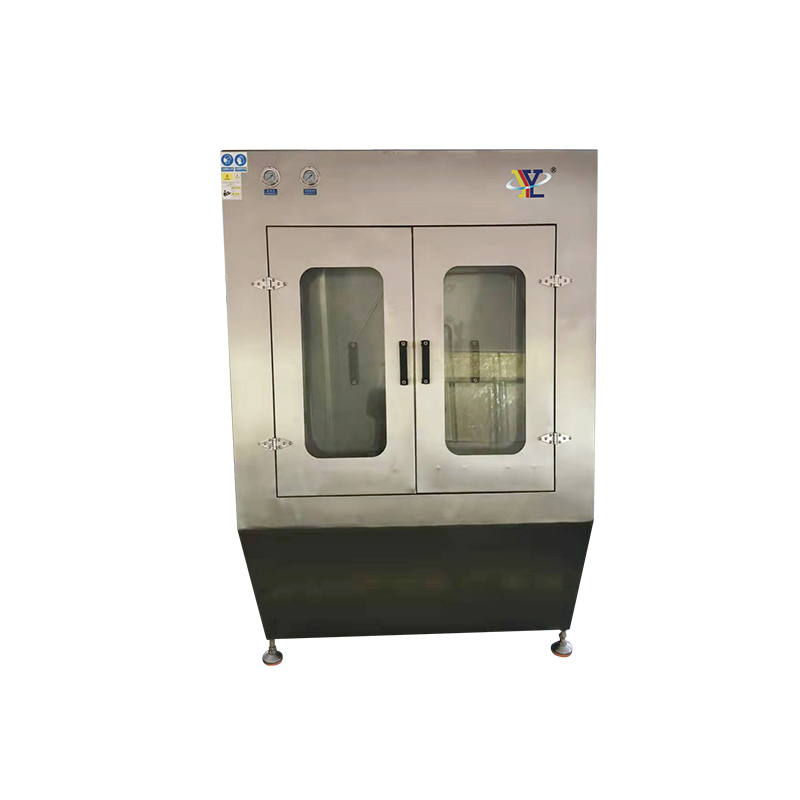
JGH-016 PCBA Cleaning Machine for in SMT Production Line
Do You Know What is PCB Cleaning Machines?
Related Article


