What is SMT?(十三) -- Assembly process -- Wave peak
author: Hellen
2022-10-12
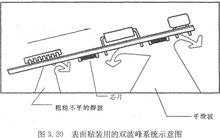
In the wave soldering process, the wave is central. Preheated, flux-coated, dirt-free metal can be delivered to the soldering workstation via a conveyor belt to contact the wave solder - wave soldering diagram with a certain temperature of the solder, which is later heated so that the flux reacts chemically and the solder alloy forms an interconnection through the wave power, which is the most critical step. The commonly used symmetrical wave crest is called the main wave crest. Setting the pump speed, wave crest height, immersion depth, transfer angle and transfer speed provides a full range of conditions to achieve good soldering characteristics. The data should be adjusted appropriately, and the solder run should be made to slow down and stop slowly just after leaving the back of the wave (exit end). the PCB with the wave run should eventually push the solder to the exit. In the best case, the surface tension of the solder and optimizing the wave run of the board, zero relative motion can be achieved between the component and the wave at the exit end. This deshell area is what achieves the removal of the solder from the board. Adequate inclination should be provided without defects such as bridging, burrs, pulls and solder balls. The wave exit needs to have a hot air flow to ensure that bridging that may form is excluded. After surface mount components are mounted on the bottom of the board, sometimes, to compensate for bubbles in the solder or in the "harsh wave" area that forms behind while performing wave leveling prior to using turbulent chip cresting. The high vertical speed of the turbulent wave crest helps ensure contact between the solder and the leads or pads. The vibrating portion behind the leveled laminar wave crest can also be used to eliminate bubbles and ensure that the solder achieves satisfactory contact with the component. The soldering workstation should basically achieve: high purity solder (as per standard), wave temperature (230~250°C), total time to contact the wave (3~5 seconds), depth of immersion of the printed board into the wave (50~80%), realization of a parallel transfer track and solder content in the solder pot in the parallel state of wave and track.
What is SMT?(十四) -- Assembly process -- Cooling after welding
What is SMT?(十二) -- Assembly process -- Soldering material
Related Article

Krytox XHT-BDZ 75g is a premium PFPE-based extreme high temperature grease designed for industrial applications requiring excellent thermal stability, chemical resistance and long-lasting lubrication performance.
Low Volatility Lubricant Krytox XHT-BDZ 75g Extreme High Temperature PFPE Grease Lubricant for Industrial Applications
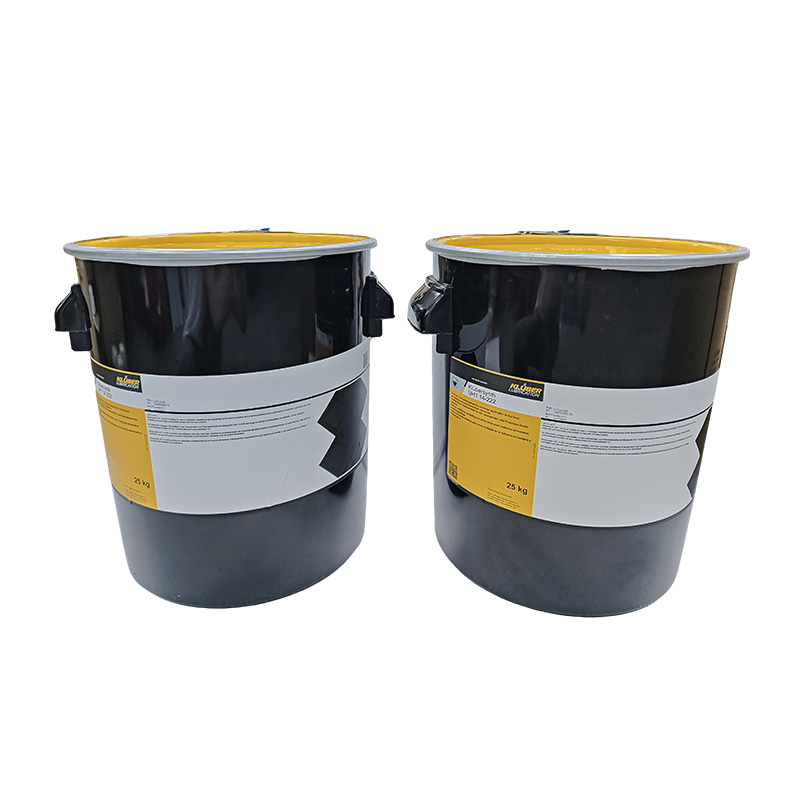
Kluber Klubersynth UH1 14-222 25KG is a premium NSF H1 food grade synthetic grease designed for food processing, pharmaceutical and packaging equipment. Excellent wear protection, water resistance and long lubrication intervals for bearings and machine components.
NSF H1 Grease Kluber Klubersynth UH1 14-222 25KG Food Grade Synthetic Grease for Food Processing Equipment

Molykote Longterm 2 Plus 1KG is a high-performance long-life bearing grease designed for heavy-duty industrial applications. Excellent wear protection, high load resistance and extended lubrication intervals. Available as a cost-effective alternative from professional lubricant manufacturers.
Molykote Longterm 2 Plus Grease 1KG Extreme Pressure Bearing Grease Industrial Lubricant for Bearings and Machinery

Molykote HP-870 Grease 1KG is a high performance industrial lubricant designed for high temperature bearings and precision equipment. Premium alternative solution available.
High Temperature Bearing Grease Molykote HP-870 1KG PFPE Grease Long Life Lubrication Solution for Bearings Motors and Industrial Equipment