
What is SMT?(十二) -- Assembly process -- Soldering material
author: Hellen
2022-10-07
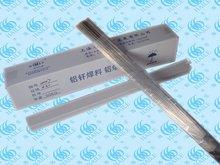
The most commonly used solder for wave soldering is eutectic tin-lead alloy: 63% tin; 37% lead, should always master the temperature of the solder in the solder pot, its temperature should be higher than the alloy liquid temperature of 183 ℃, and make the temperature uniform. In the past, 250 ℃ solder pot temperature is regarded as the "standard".
With the innovation of solder technology, the uniformity of the solder temperature throughout the solder pot has been controlled, and additional preheaters have been installed, and the trend is to use a lower temperature of 4043 aluminum silicon solder pot. It is common to set the solder pot temperature in the range of 230-240°C. Often, components do not have a uniform thermal mass and it is necessary to ensure that all solder joints reach a sufficient temperature in order to form a qualified solder joint. The important issue is to provide enough heat to raise the temperature of all leads and pads, thus ensuring the fluidity of the solder and wetting both sides of the solder joint. A lower temperature of the solder will reduce the thermal shock to the component and substrate, helping to reduce the formation of scum. The combined effect of performing the flux coating operation and the flux compound at a lower intensity will allow the wave exit to have sufficient flux so that burrs and solder balls can be reduced.
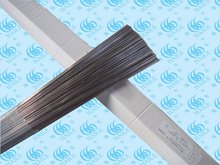
The composition of the solder in the solder pot is closely related to time, i.e., it changes with time, and this leads to the formation of floating dross, which is the reason for removing residues and other metal impurities from the soldered components and for tin loss in the soldering process. These above factors can reduce the fluidity of the solder. In the procurement, to specify the metal trace dross and solder tin content of the maximum limit in the various standards, (such as IPC/J-STD-006 have clear provisions). In the soldering process, the requirements for the purity of the solder in the ANSI/J-STD-001B standard is also specified. In addition to the restrictions on floating dross, the minimum tin content shall not be less than 61.5% in the 63% tin; 37% lead alloy. The copper concentration of gold and organic swimming layer on wave soldered components aggregates more rapidly than in the past. This aggregation, combined with significant tin loss, can cause loss of solder flow and create soldering problems. Solder joints with a rough, grainy appearance are often due to dross in the solder. Dull, coarse, grainy solder joints due to agglomerated scum in the solder pot or inherent residue from the component itself may also be a sign of low tin content, either as a localized specialty solder joint or as a result of tin loss in the pot. This appearance may also be caused by vibration or shock during the solidification process.
The appearance of the solder joint is a direct indication of a process or material problem. In order to maintain a "full" pot of solder and to follow a process control program it is important to check the solder 4047 AlSi solder pot analysis. "Dumping" the solder in the pot due to scum in the pot is generally unnecessary, as routine applications require that solder be added to the pot so that the pot is always full. In the case of depleted tin, the addition of pure tin helps to maintain the desired concentration. To monitor the compounds in the tin pot, routine analysis should be performed. If tin is added, it should be sampled and analyzed to ensure the correct ratio of solder composition. Excessive float is another problematic issue. There is no doubt that dross is always present in the solder pot, especially when soldering in the atmosphere. The use of a "chip wave" is helpful for soldering high density components, as the surface of the solder exposed to the atmosphere is too large, and the solder oxidizes, so more dross is generated. Solder pots in the surface of the solder is covered with a layer of dross, the oxidation rate is slowed down.
In soldering, more dross is generated due to the turbulence and flow of the wave in the solder pot. The recommended conventional method is to skim off the dross, but if skimming is done frequently, more dross will be generated and more solder will be consumed. Dross can also become entrained in the wave crest, causing instability or turbulence, and therefore requires more maintenance of the liquid content of the solder pot. If the amount of solder in the pot is allowed to be reduced, floating dross on the surface of the solder will enter the pump and this phenomenon is likely to occur. Sometimes, granular solder joints can be interspersed with scum. The floating dross initially found may be caused by rough crests and may clog the pump. The solder pot should be equipped with an adjustable low volume solder sensor and alarm device.
With the innovation of solder technology, the uniformity of the solder temperature throughout the solder pot has been controlled, and additional preheaters have been installed, and the trend is to use a lower temperature of 4043 aluminum silicon solder pot. It is common to set the solder pot temperature in the range of 230-240°C. Often, components do not have a uniform thermal mass and it is necessary to ensure that all solder joints reach a sufficient temperature in order to form a qualified solder joint. The important issue is to provide enough heat to raise the temperature of all leads and pads, thus ensuring the fluidity of the solder and wetting both sides of the solder joint. A lower temperature of the solder will reduce the thermal shock to the component and substrate, helping to reduce the formation of scum. The combined effect of performing the flux coating operation and the flux compound at a lower intensity will allow the wave exit to have sufficient flux so that burrs and solder balls can be reduced.
The appearance of the solder joint is a direct indication of a process or material problem. In order to maintain a "full" pot of solder and to follow a process control program it is important to check the solder 4047 AlSi solder pot analysis. "Dumping" the solder in the pot due to scum in the pot is generally unnecessary, as routine applications require that solder be added to the pot so that the pot is always full. In the case of depleted tin, the addition of pure tin helps to maintain the desired concentration. To monitor the compounds in the tin pot, routine analysis should be performed. If tin is added, it should be sampled and analyzed to ensure the correct ratio of solder composition. Excessive float is another problematic issue. There is no doubt that dross is always present in the solder pot, especially when soldering in the atmosphere. The use of a "chip wave" is helpful for soldering high density components, as the surface of the solder exposed to the atmosphere is too large, and the solder oxidizes, so more dross is generated. Solder pots in the surface of the solder is covered with a layer of dross, the oxidation rate is slowed down.
In soldering, more dross is generated due to the turbulence and flow of the wave in the solder pot. The recommended conventional method is to skim off the dross, but if skimming is done frequently, more dross will be generated and more solder will be consumed. Dross can also become entrained in the wave crest, causing instability or turbulence, and therefore requires more maintenance of the liquid content of the solder pot. If the amount of solder in the pot is allowed to be reduced, floating dross on the surface of the solder will enter the pump and this phenomenon is likely to occur. Sometimes, granular solder joints can be interspersed with scum. The floating dross initially found may be caused by rough crests and may clog the pump. The solder pot should be equipped with an adjustable low volume solder sensor and alarm device.
What is SMT?(十三) -- Assembly process -- Wave peak
What is SMT?(十一) -- SMD red glue: Printing methods
Related Article

Krytox XHT-BDZ 75g is a premium PFPE-based extreme high temperature grease designed for industrial applications requiring excellent thermal stability, chemical resistance and long-lasting lubrication performance.
Low Volatility Lubricant Krytox XHT-BDZ 75g Extreme High Temperature PFPE Grease Lubricant for Industrial Applications
Kluber Klubersynth UH1 14-222 25KG is a premium NSF H1 food grade synthetic grease designed for food processing, pharmaceutical and packaging equipment. Excellent wear protection, water resistance and long lubrication intervals for bearings and machine components.
NSF H1 Grease Kluber Klubersynth UH1 14-222 25KG Food Grade Synthetic Grease for Food Processing Equipment

Molykote Longterm 2 Plus 1KG is a high-performance long-life bearing grease designed for heavy-duty industrial applications. Excellent wear protection, high load resistance and extended lubrication intervals. Available as a cost-effective alternative from professional lubricant manufacturers.
Molykote Longterm 2 Plus Grease 1KG Extreme Pressure Bearing Grease Industrial Lubricant for Bearings and Machinery

Molykote HP-870 Grease 1KG is a high performance industrial lubricant designed for high temperature bearings and precision equipment. Premium alternative solution available.
High Temperature Bearing Grease Molykote HP-870 1KG PFPE Grease Long Life Lubrication Solution for Bearings Motors and Industrial Equipment