
What is SMT?(十五) -- Failure reduction methods
author: Hellen
2022-10-14

The manufacturing process, handling, and printed circuit assembly (PCA) testing all put the package under a lot of mechanical stress, which can lead to failure. As grid array packages become larger and larger, it becomes more difficult to set the level of safety for these steps.
For many years, a typical feature of packages has been the use of the monotonic bend point test method, described in IPC/JEDEC-9702, "Monotonic Bend Characteristics of Board Level Interconnects". This test method describes the fracture strength of the horizontal interconnection of printed circuit boards under bending loads. However, the test method cannot determine what the maximum allowable tension is.
One of the challenges for the manufacturing process and assembly process, especially for lead-free PCA, is the inability to directly measure the stress on the solder joints. The most widely used metric to describe the risk of interconnected components is the printed circuit board tension adjacent to the component, as described in IPC/JEDEC-9704, Guide to Strain Testing of Printed Wiring Boards.
As the use of lead-free devices expands, so does the interest of users; as there are many users facing quality issues.
With this increased interest from all parties, IPC felt the need to help other companies develop various test methods that would ensure that BGAs were not damaged during manufacturing and testing. This work was done by the IPC 6-10d SMT Attachment Reliability Test Methodology Working Group and the JEDEC JC-14.1 Packaging Device Reliability Test Methodology Sub-Committee, and the work is now complete.
The test method specifies eight contact points arranged in a circular array. The PCA with a BGA in the center of the printed circuit board is placed so that the part is mounted face down on the support pins and the load is applied to the back of the BGA. The strain gage is placed adjacent to the part according to the recommended metering layout of IPC/JEDEC-9704.
The PCA will be flexed to the relevant tension levels and failure analysis will determine the extent of damage caused by flexing to these tension levels. An iterative method is used to determine the tension level at which no damage occurs, which is the tension limit.
For many years, a typical feature of packages has been the use of the monotonic bend point test method, described in IPC/JEDEC-9702, "Monotonic Bend Characteristics of Board Level Interconnects". This test method describes the fracture strength of the horizontal interconnection of printed circuit boards under bending loads. However, the test method cannot determine what the maximum allowable tension is.
One of the challenges for the manufacturing process and assembly process, especially for lead-free PCA, is the inability to directly measure the stress on the solder joints. The most widely used metric to describe the risk of interconnected components is the printed circuit board tension adjacent to the component, as described in IPC/JEDEC-9704, Guide to Strain Testing of Printed Wiring Boards.
As the use of lead-free devices expands, so does the interest of users; as there are many users facing quality issues.
With this increased interest from all parties, IPC felt the need to help other companies develop various test methods that would ensure that BGAs were not damaged during manufacturing and testing. This work was done by the IPC 6-10d SMT Attachment Reliability Test Methodology Working Group and the JEDEC JC-14.1 Packaging Device Reliability Test Methodology Sub-Committee, and the work is now complete.
The test method specifies eight contact points arranged in a circular array. The PCA with a BGA in the center of the printed circuit board is placed so that the part is mounted face down on the support pins and the load is applied to the back of the BGA. The strain gage is placed adjacent to the part according to the recommended metering layout of IPC/JEDEC-9704.
The PCA will be flexed to the relevant tension levels and failure analysis will determine the extent of damage caused by flexing to these tension levels. An iterative method is used to determine the tension level at which no damage occurs, which is the tension limit.
SMT nozzle selection tips
What is SMT?(十四) -- Assembly process -- Cooling after welding
Related Article

Krytox XHT-BDZ 75g is a premium PFPE-based extreme high temperature grease designed for industrial applications requiring excellent thermal stability, chemical resistance and long-lasting lubrication performance.
Low Volatility Lubricant Krytox XHT-BDZ 75g Extreme High Temperature PFPE Grease Lubricant for Industrial Applications
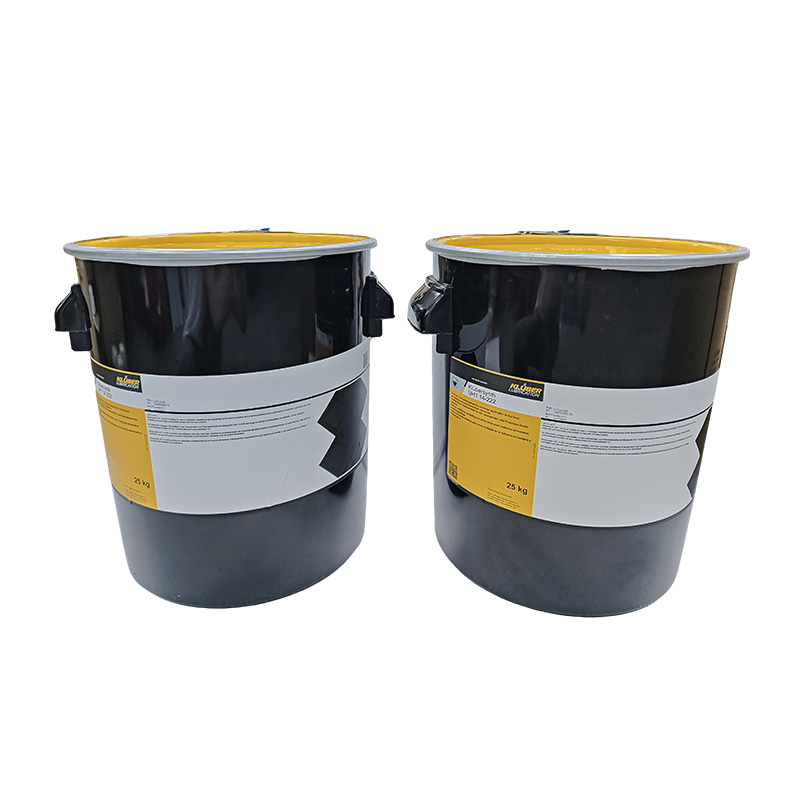
Kluber Klubersynth UH1 14-222 25KG is a premium NSF H1 food grade synthetic grease designed for food processing, pharmaceutical and packaging equipment. Excellent wear protection, water resistance and long lubrication intervals for bearings and machine components.
NSF H1 Grease Kluber Klubersynth UH1 14-222 25KG Food Grade Synthetic Grease for Food Processing Equipment

Molykote Longterm 2 Plus 1KG is a high-performance long-life bearing grease designed for heavy-duty industrial applications. Excellent wear protection, high load resistance and extended lubrication intervals. Available as a cost-effective alternative from professional lubricant manufacturers.
Molykote Longterm 2 Plus Grease 1KG Extreme Pressure Bearing Grease Industrial Lubricant for Bearings and Machinery

Molykote HP-870 Grease 1KG is a high performance industrial lubricant designed for high temperature bearings and precision equipment. Premium alternative solution available.
High Temperature Bearing Grease Molykote HP-870 1KG PFPE Grease Long Life Lubrication Solution for Bearings Motors and Industrial Equipment