Do You Know Laser Cleaning Machines and Their Types
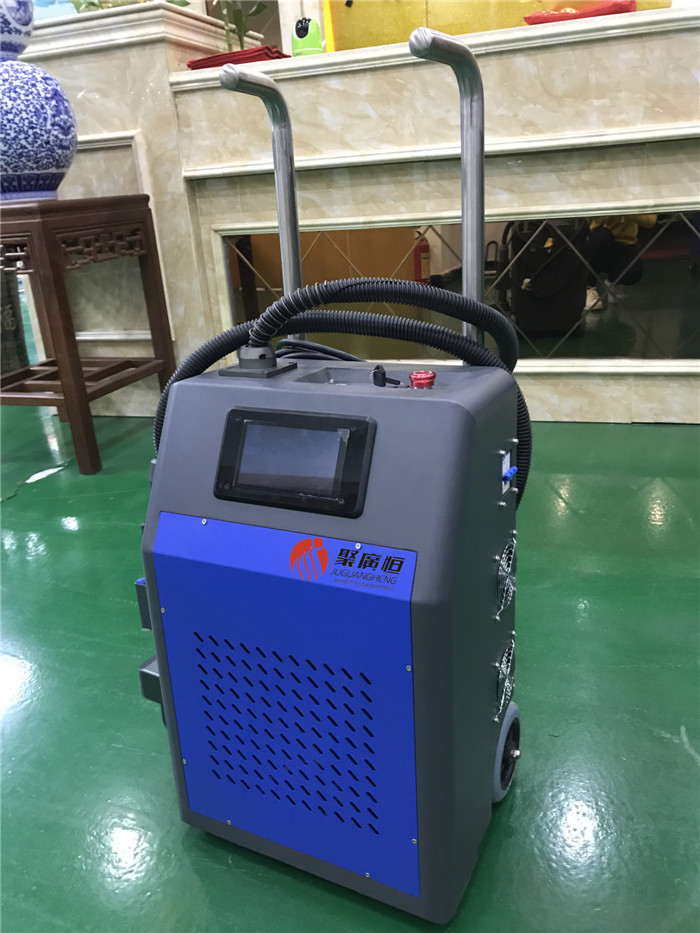
Introduction to Laser Cleaning Machines
Laser cleaning machines are revolutionizing the way industries approach surface preparation and contaminant removal. Utilizing high-powered laser beams, these machines efficiently remove rust, paint, oil, and other impurities from surfaces without the need for abrasive chemicals or media. They’re increasingly popular in fields such as manufacturing, automotive, aerospace, and heritage restoration due to their environmental benefits, precision, and minimal damage to surfaces.
Types of Laser Cleaning Machines
1. Low-Power Laser Cleaning Machines
Low-power laser cleaning machines are designed for lighter cleaning tasks, such as removing dirt, oxides, and minor surface contamination. They are usually powered by lasers operating below 50 watts, making them suitable for delicate surfaces that need gentle cleaning. These machines are commonly used in industries that require fine detail and precision, like electronics or conservation, where the substrate must be preserved without damage.
2. Medium-Power Laser Cleaning Machines
Medium-power laser cleaners, typically ranging from 50 to 200 watts, offer a balance between power and precision. They are suitable for removing rust, oil, and certain types of paint from metallic surfaces. This level of power is ideal for industries like automotive and small-scale manufacturing, where medium-level contaminants are frequent, but substrate protection remains a priority. Medium-power machines strike an effective balance between cleaning efficiency and material preservation.
3. High-Power Laser Cleaning Machines
High-power laser cleaning machines, operating above 200 watts, are intended for the most demanding cleaning applications, such as removing thick rust, coatings, or deep layers of paint from heavy machinery, ships, or large industrial equipment. These machines provide fast and effective cleaning for large areas and can handle substantial surface contaminants. High-power laser cleaning is used in industries like shipbuilding, aerospace, and heavy-duty manufacturing, where robustness and high throughput are essential.
4. Pulsed vs. Continuous Wave (CW) Laser Cleaning Machines
Laser cleaning machines can also be categorized by the type of laser beam they use: pulsed or continuous wave (CW). Pulsed lasers emit laser bursts with precise control, allowing delicate and targeted cleaning that minimizes heat damage. These are preferred in sensitive applications, such as historic restoration or medical device cleaning. CW lasers, on the other hand, emit a constant stream of energy, making them better suited for high-speed, large-scale cleaning tasks. This option is widely used in large-scale industries where rapid, continuous cleaning is necessary.
Conclusion
Laser cleaning machines offer an efficient, environmentally friendly solution for removing contaminants from a wide range of surfaces. With options ranging from low to high power and pulsed or continuous beams, these machines cater to industries requiring both precision and power. As laser technology advances, laser cleaning machines will play an even greater role in sustainable, non-invasive surface cleaning across multiple sectors.
The Difference between Traditional Cleaning and Laser Cleaning in SMT Production Line
JGH-016 PCBA Cleaning Machine for in SMT Production Line
Related Article


