Different Types of AIO Automatic Optical Inspection Equipment in SMT Industry
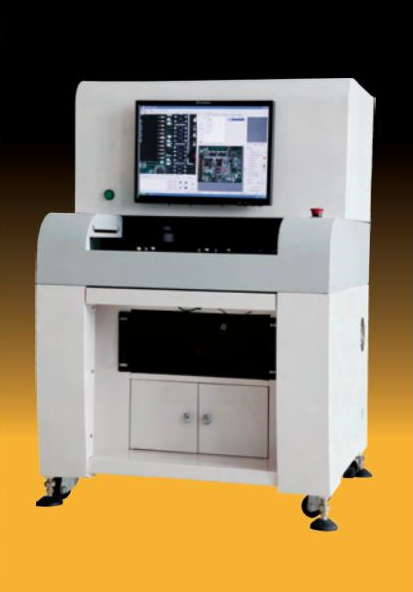
Types of AOI Equipment
AOI systems are categorized based on their inspection methods, technology, and applications:
2D AOI Systems: These systems use cameras to capture two-dimensional images of the product surface, analyzing features like shape, color, and alignment.
Applications: Commonly used in PCB inspection and surface quality checks.
3D AOI Systems: By employing multiple cameras or structured light projection, 3D AOI systems generate a three-dimensional representation of the product for a more comprehensive analysis.
Applications: Ideal for inspecting complex assemblies, solder joint quality, and height measurements.
Inline AOI Systems: Integrated directly into production lines, these systems provide continuous, real-time inspection during manufacturing.
Applications: Used in high-speed production environments, such as semiconductor fabrication and PCB assembly.
Offline AOI Systems: Operated independently of the production line, offline AOI systems are used for detailed inspection and quality control of smaller batches or prototypes.
Applications: Useful in industries with lower production volumes or during R&D stages.
Machine Vision AOI Systems: These systems leverage advanced machine learning and artificial intelligence to enhance defect detection and adapt to complex inspection scenarios.
Applications: Employed in industries requiring high levels of customization and precision.
Advantages of AOI Equipment
High Precision: AOI systems deliver exceptional accuracy in defect detection, minimizing false positives and missed defects.
Enhanced Productivity: Automation reduces inspection time, increasing throughput and efficiency.
Cost Savings: By identifying defects early, AOI systems help reduce rework costs and material waste.
Improved Product Quality: Consistent inspection ensures that products meet rigorous quality standards.
Data-Driven Decision Making: The data generated by AOI systems supports process optimization and strategic planning.
Differences Between AOI Systems
The variations among AOI systems are often attributed to their technological sophistication, inspection capabilities, and suitability for specific applications:
2D vs. 3D AOI: While 2D AOI systems are faster and more cost-effective, 3D AOI systems provide superior analysis for complex geometries and solder joints.
Inline vs. Offline AOI: Inline systems excel in high-speed environments, while offline systems are preferred for detailed analysis or low-volume production.
Standard vs. AI-Enhanced AOI: AI-enhanced systems offer greater flexibility and accuracy by adapting to unique defect patterns and learning over time.
Custom vs. General-Purpose AOI: Custom AOI systems are tailored for specific applications, whereas general-purpose systems cater to a broader range of inspection needs.
These are the types and its different of AIO machines Yangling Electronics mainly talking about. If you are interested in our products, please contact Nancy to make an offer for you. Thank you.
What is the Security Monitoring Focusing Machine Used for?
AIO Automatic Optical Inspection Equipment
Related Article


